


How to Remove Pet Hair from Carpet and Rugs: 12 Ways That Actually Work
Living with a pet means living with fur. 🐾 It is part of the deal, and most of us would take it again. The problem is that hair does not sit politely on top of a rug. It works its way in, and ordinary hoovering barely touches it.
Everything below works on carpet as well as rugs. The fibres behave the same way, so the same tricks lift hair out of a fitted carpet, a hallway runner or a wool rug in the living room.
⚡ IN A HURRY? Damp rubber gloves for a quick tidy. A rubber broom or carpet rake for hair that is properly embedded. Those two cover about 90% of situations.
Why does pet hair stick to rugs and carpet so badly? 🧲
Static holds it, and the fibre shape traps it. That combination is why it resists a vacuum.
Animal hair carries a slight electrical charge and a natural coating of oil, so it clings rather than rests. Then every footstep drives it further down the pile. A high pile or shaggy rug hides strands near the backing where suction cannot reach, which is why you hoover, look down, and see fur again an hour later.
Beat the static and most of the hair lets go on its own. That single idea is behind half the methods below.

12 ways to get pet hair out, ranked by how well they work 🧤
1. Damp rubber gloves
Put on washing-up gloves, dampen them slightly, and run your hands over the surface. Hair rolls into clumps you can lift off. Cheap, fast, and still the method most professional cleaners reach for first.
2. Rubber broom or carpet rake
The best tool for embedded hair. Rubber bristles flex into the pile and drag fur upward instead of pushing it down. A few firm strokes in one direction gathers an alarming pile. Worth owning if you have a heavy shedder.
3. Slow, overlapping vacuum passes
This is the one almost everyone gets wrong. Hair needs time under suction. Go at half your normal speed, overlap each pass by about half its width, then do the whole area again at ninety degrees to the first direction. The cross-hatch lifts strands lying flat along the weave that a single direction will never catch.
4. Window squeegee
Drag the rubber blade across the pile and it scrapes hair into rows. Excellent on low pile and on stair carpet, where a rake is awkward. You probably already own one.
5. Damp sponge or microfibre cloth
Lightly damp, wiped in one direction. The moisture stops strands flying about. Good for a sofa throw, a small mat, or a quick tidy before guests arrive.
6. Lint roller or parcel tape
Only sensible for small areas. On a full rug you will go through a roll and lose patience. For a doormat or a stair tread it is genuinely the quickest option.
7. Anti-static spray or a humidifier
Static is worst in dry winter air, which is exactly when pets shed their undercoat indoors. Raising humidity a little, or a light mist of anti-static spray, stops hair bonding to the fibres in the first place. Prevention rather than cure.
8. Diluted fabric softener
One part softener to about thirty parts water, misted very lightly, then vacuum once dry. It works by killing static. Synthetic rugs only. Keep it well away from wool, silk and viscose.
9. Pet-specific vacuum heads
A rubberised turbo head or tangle-free brush bar makes a real difference on hair, and a HEPA filter keeps the dander it disturbs from going straight back into the room. Worth it if anyone in the house has allergies.
10. Pumice stone
Effective, but use judgement. A pumice stone scrapes hair out of tough synthetic pile and absolutely will damage wool, silk or anything hand-knotted. Test in a corner first.
11. Dryer sheets
Rub one over the surface. It loosens hair and reduces static for a while. Mild, pleasant, and nowhere near as effective as a rubber broom, whatever the internet says.
12. Groom the pet, not the rug
The only method that reduces the problem rather than managing it. A proper deshedding brush a few times a week removes loose undercoat before it ever reaches the floor. Ten minutes on the dog saves an hour on the rug.
"Hoovering removes the hair you can see. A rubber rake removes the hair you cannot."
Which method suits which rug? 🧵
What not to do ⚠️
Do not run a rotating beater bar over wool, jute, sisal or a shaggy pile. It fuzzes wool, shreds natural fibres and tangles long pile around the brush. Switch the brush bar off, or use the suction-only head.
Do not soak a natural fibre rug trying to lift hair. Jute browns and smells once wet, which our guide to cleaning a jute rug covers in detail, and wool takes days to dry properly. Cleaning a wool rug has the safe version.
And do not use fabric softener on anything you would be upset to ruin. It leaves a residue that attracts dirt, and on wool it can dull the fibre permanently.
The easiest fix is choosing the right rug 🏡
If you are replacing a rug anyway, the material decides how much of this you will ever have to do.
Low pile sheds hair instead of hiding it. Flatweaves and tight loop piles have nowhere for fur to disappear into, so a single pass lifts most of it. Shaggy and high pile are the opposite, and no technique fully solves that.

Best for heavy shedders
Origins Washable Marrakesh Distressed Medallion Rug
Goes in the washing machine. Non-slip backing. The nuclear option for pet hair, and it looks nothing like a practical rug.
From £33.30 View rug →

Best low pile
Finley Textured Wool Blend Flatweave Rug
Flatweave, so hair sits on top rather than burrowing in. One pass with a rake and it is gone.
From £169.00 View rug →

Stop it at the door
My Mat Wipe Your Paws Coir Doormat
Coarse coir pulls hair and mud off paws before any of it reaches the rug. The cheapest thing on this page by a distance.
From £15.99 View doormat →
More on this in best rugs for homes with pets, or browse living room rugs and hallway rugs, which are where most pet hair ends up.
Worth watching 🎬
Clean My Space goes through the tools on camera, which is more convincing than reading about them.
Questions people actually ask ❓
Does any of this work on fitted carpet?
Yes, all of it. Carpet and rug fibres behave identically, so gloves, rakes, squeegees and the cross-hatch vacuum technique work exactly the same on a fitted carpet. Only the rug-specific warnings about wool and jute need adjusting to whatever your carpet is made of.
Can I use fabric softener on any rug?
No. Synthetics only, well diluted. On wool, silk or viscose it can dull and damage the fibre permanently.
What is quickest for a big rug?
A rubber broom or carpet rake, every time. Lint rollers and damp cloths cannot cover the area.
Are pet vacuums worth it?
If you have a heavy shedder or anyone with allergies, yes. A rubberised head plus a HEPA filter removes noticeably more hair and keeps the dander it stirs up out of the air. Otherwise a £10 rubber rake does most of the same work.
How often should I be doing this?
A two-minute pass with gloves or a rake twice a week beats a thirty-minute battle once a month. Hair compacts the longer it sits.
The short version 🐾
Rubber beats suction. Slow beats fast. Grooming the pet beats cleaning the rug.
Buy a rubber rake, slow your vacuum down, brush the dog twice a week, and the problem mostly disappears. If it still does not, the rug is probably too high a pile for a pet household, and that is worth knowing before you buy the next one. Our guide to evaluating a rug before you buy online covers how to check pile height from a listing.
Dealing with more than hair? We have guides for dog urine, cats scratching the weave and getting smells out.
A rug that gets used by a dog is a rug doing its job. Keeping it clean is the easy part. 🏡
Best sellers
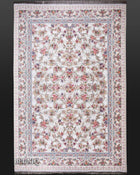 Karen Ivory & Rose Persian-Style Floral Low-Pile Acrylic Rug
Product Overview
Karen offers a contemporary...from £195.00
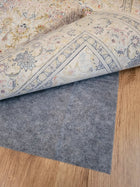 Cushioned Anti-Slip Rug Underlay for Hard Floors – Grey Rug Pad
Product Overview
Keep your rugs securely in ...£16.00
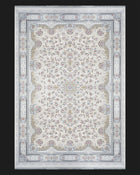 Allure Cream Persian-Style Floral Low-Pile Acrylic Rug
Product Overview
Allure Cream reimagines the...£366.00
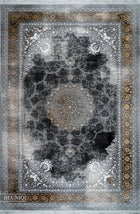 Palace Charcoal & Silver Distressed Medallion Rug 90181
Product Overview
Palace 90181 offers a conte...from £70.00
Persian rugs
Karen Ivory & Rose Persian-Style Floral Low-Pile Acrylic Rug
Product Overview
Karen offers a contemporary...from £195.00
Palace Charcoal & Silver Distressed Medallion Rug 90181
Product Overview
Palace 90181 offers a conte...from £70.00
Allure Cream Persian-Style Floral Low-Pile Acrylic Rug
Product Overview
Allure Cream reimagines the...£366.00
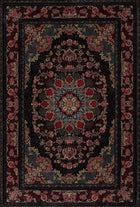 Shiraz Oriental Area Rug – Brown & Red
Product Overview
The Oriental Area Rug blend...from £97.00


Leave a comment