


Jute, Sisal or Wool? Choose the Right Texture for a Modern Organic Room
Modern organic is the look everyone wants right now. 🌿 Warm woods, cream linen, a plant in the corner, nothing shouting. And then you get to the floor and the whole thing stalls, because jute, sisal and wool all photograph beautifully and feel nothing like each other.
They are not interchangeable. Picking the wrong one is how you end up with a rug you keep apologising for.
What a modern organic room actually asks of a rug 🌿
Texture, not pattern. That is the whole brief.
The palette is already quiet (oatmeal, clay, olive, bleached oak), so the rug earns its place by being something you can see the weave of from across the room. A flat printed design does nothing here. A chunky braided surface does everything.

Which is why all three of these fibres belong in the conversation, and why the decision comes down to how the room is actually used, not how it looks in a photo.
How does each material actually feel underfoot? 🦶
Jute is the softest of the three natural hard fibres. Sisal is the roughest. Wool is in a different category entirely.

Jute comes from the plant's stem, so the fibre is finer and has some give. You can sit on a jute rug comfortably. Sisal comes from a leaf. It is stiff, almost bristly, and brilliant precisely because of that. Wool is an animal fibre with natural crimp, which is the technical way of saying it springs back.
If anyone in the house sits on the floor, whether that is children, yoga or a dog that sprawls, this one line decides your answer.
Jute: the warm one that cannot get wet 🪢
Jute is the default modern organic rug, and mostly it deserves it. Warm golden tone, chunky braid, affordable, and it makes a room feel finished instantly.
Its weakness is water. Jute absorbs, then browns, then smells. A spilled glass of wine is a problem; a leaking radiator is a disaster. Keep it out of kitchens, bathrooms and anywhere damp. There is a reason our guide to cleaning a jute rug spends most of its time on what not to do.

Our jute pick
Hand Braided Origins Jute Border Rug in Natural White
The pale braid keeps a room light instead of going golden-brown. Softer underfoot than it looks.
From £62.50 View rug →
Sisal: the one that takes a beating 🪵
Sisal is the hardest-wearing natural fibre you can put on a floor. If you have a hallway that takes the whole household, this is the answer.
It is also the least forgiving barefoot. Nobody lounges on sisal. But it holds its shape under furniture, it does not crush in traffic lanes, and the tight weave reads as considered rather than rustic, which suits a modern organic scheme better than jute's chunkier braid in some rooms.
"Choose jute for the rooms you sit in. Choose sisal for the rooms you walk through."

Our sisal pick
Origins Durable Sisal Sage Green Rug with Woven Border
The sage border is the modern organic palette exactly. Built for a hallway that never gets a rest.
From £83.30 View rug →
Wool: the one worth paying for 🐑
Wool is the only one of the three you will genuinely want bare feet on in February.
It is also quietly the most practical. The fibre has a natural waxy coating that resists staining, it springs back instead of flattening, and it holds colour for decades. The Woolmark Company sets out the fibre properties plainly, and British Wool is worth a look if provenance matters to you.
It costs more. It also sheds for the first few weeks, which is normal and not a fault. We cover that in wool versus synthetic in real life.

Our wool pick
Rug Guru Union Fossil Soft Wool Loop Pile Area Rug
Loop pile gives you the woven texture of a natural fibre with none of the scratch. Warm grey, sits under anything.
From £103.00 View rug →
The three side by side 📊
Which rug material is best for each room? 🏠
Living room: wool if the budget allows, jute if not. You sit here.

Bedroom: wool, and it is not close. It is the first thing your feet touch. Browse bedroom rugs with that in mind.
Dining room: sisal or a low-pile wool. Chairs need to slide, and crumbs need to come out. Nothing shaggy.
Hallway: sisal. It is the only one that survives the traffic. Our hallway rugs are mostly chosen on exactly this basis.
Kitchen and bathroom: none of the three. Natural fibres and standing water do not mix. This is a washable synthetic's job.
🪶 ONE RULE THAT SAVES MOST OF THE MISTAKES
Put the scratchy fibre where feet are wearing shoes, and the soft fibre where they are not. Everything else is detail.
You do not actually have to choose 🪜
The move most designers make in a modern organic room is to use two of them at once.
A big jute or sisal rug goes down first, wall to furniture, doing the texture work and covering the floor cheaply. Then a smaller wool rug or a sheepskin sits on top, exactly where feet land, in front of the sofa, beside the bed. You get the woven surface you wanted and somewhere soft to stand, and the expensive fibre only has to cover a quarter of the area.
It is also the cheapest way into wool. A 120×170 wool rug on top of a large jute base costs a fraction of a room-sized wool rug and looks deliberate rather than thrifty. We walk through the proportions in how to layer rugs.
One caution: layering works when the two rugs differ clearly in texture and tone. Two similar naturals stacked just look like a mistake. Keep the base pale and coarse, the top soft and a shade warmer. The Carpet and Rug Institute has sensible guidance on pads and underlays, which matter more once you are stacking.
The downsides nobody mentions ⚠️
All three shed at first. Jute sheds fine golden dust for a month or so. Put it on hard floor, not carpet, and hoover gently without the beater bar.
All three need a pad. Natural fibre rugs slide on hard floors more than synthetics do, and the backing can mark timber. We wrote up how to stop a rug moving because it is the single most common follow-up question.
And sizes run small in people's heads. If you are between two, take the larger. Our UK rug size guide explains why, and the large rugs are where most people end up.
Worth ten minutes before you decide 🎬
A flooring fitter running through sisal, seagrass, jute and wool with the samples in his hands. Far more useful than another styled photograph.
So which one? 🤔
If you sit on the floor, wool. If you want the look for the least money, jute. If it is a hallway, sisal and stop thinking about it.
That covers most homes honestly.
Start with natural material rugs if you already know you want the woven texture, or living room rugs if you are still deciding. Before you commit, our guide to evaluating a rug online is the ten minutes that prevents most returns, and if one does come back, the 30-day refund policy is there, alongside your statutory rights.
Still weighing texture against comfort? Jute and sisal versus soft pile takes that argument further, and the Carpet Foundation is a neutral place to read about floor coverings generally.
Texture is the one thing a photograph cannot tell you. Choose for your feet, not your camera. 🏡
Best sellers
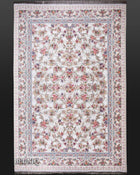 Karen Ivory & Rose Persian-Style Floral Low-Pile Acrylic Rug
Product Overview
Karen offers a contemporary...from £195.00
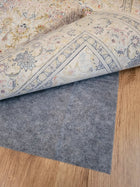 Cushioned Anti-Slip Rug Underlay for Hard Floors – Grey Rug Pad
Product Overview
Keep your rugs securely in ...£16.00
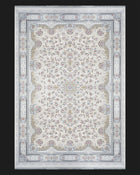 Allure Cream Persian-Style Floral Low-Pile Acrylic Rug
Product Overview
Allure Cream reimagines the...£366.00
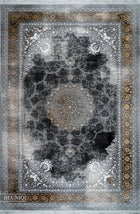 Palace Charcoal & Silver Distressed Medallion Rug 90181
Product Overview
Palace 90181 offers a conte...from £70.00
Persian rugs
Karen Ivory & Rose Persian-Style Floral Low-Pile Acrylic Rug
Product Overview
Karen offers a contemporary...from £195.00
Palace Charcoal & Silver Distressed Medallion Rug 90181
Product Overview
Palace 90181 offers a conte...from £70.00
Allure Cream Persian-Style Floral Low-Pile Acrylic Rug
Product Overview
Allure Cream reimagines the...£366.00
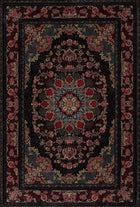 Shiraz Oriental Area Rug – Brown & Red
Product Overview
The Oriental Area Rug blend...from £97.00


Leave a comment