
Blog
Rug Rescue 101: Easy Steps for a Cleaner, Brighter Home


🏡 Rugs bring warmth, color, and comfort into our homes—whether it’s a wool runner in the hallway, a cozy shag rug in the living room, or a Persian rug passed down through the family. But they also tend to collect the things we’d rather not see: dust 🧹, mud 🌧️, pet hair 🐾, biscuit crumbs 🍪, spilled tea 🍵, and the occasional mystery stain .
Most of us just run the hoover over and hope for the best. But if you want your rug to stay fresh ✨, vibrant, and last for years ⏳, it needs a bit of deeper care every now and then.
The good news? With just a few household basics, you can safely clean most rugs yourself. This guide covers:
-
🧽 Everyday upkeep
-
🌀 Deep‑cleaning methods
-
🧊 Stain removal tricks
-
👨🔧 When to call a professional cleaner
1. Know Your Rug Before You Clean It
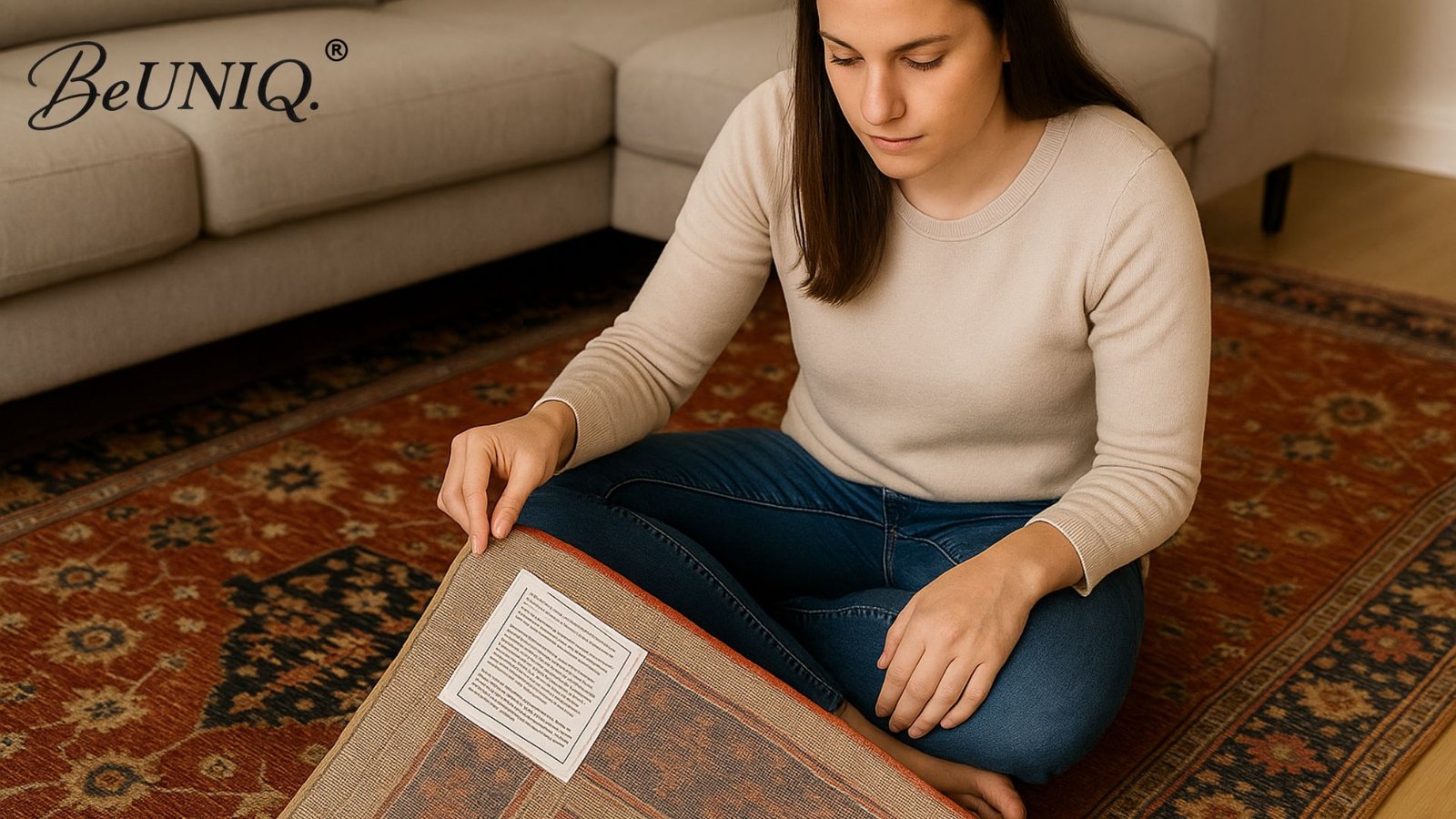
The right cleaning method depends on the rug’s material. Always check the care label (usually on the back) or look for its texture and weave.
Common rug types in homes
- Wool rugs – Soft, durable, naturally stain-resistant. Avoid soaking them in water.
- Synthetic rugs (polyester, nylon, polypropylene) – Hard-wearing, easy to clean with water or carpet shampoos.
- Cotton rugs – Lightweight, often machine-washable if small.
- Shag or high-pile rugs – Luxuriously soft but trap dust easily; need regular deep cleaning.
- Jute or sisal rugs – Natural fibre, cannot handle water; stick to dry methods only.
- Oriental/Persian rugs – Delicate, often dyed with natural pigments; require gentle, cautious cleaning.
👉 If you’re unsure, always test a cleaning solution on a hidden corner first.
2. How to clean your rug: Step by step cleaning
1️⃣ Check the Care Label
-
Always start by reading the care label; whether hallway Rugs, kids Rugs, Bathroom Rugs, Bedroom Rugs, it does not matter.
-
-
Different materials (wool, synthetic, blends) require different cleaning methods.
-
Wool → gentle vacuuming.
-
Synthetic → easy spot‑cleaning.
-
Blends → balanced approach.
-
2️⃣ Remove Loose Dirt
-
Vacuum thoroughly on both sides to clear dust, crumbs, and debris.
-
For deeper dirt, take the carpet outdoors and shake or beat it to release trapped particles.
3️⃣ Treat Stains First
-
Spot‑clean stains before washing.
-
Use mild soap, vinegar 🍶, or bicarbonate of soda 🧂, depending on the type of mark.
4️⃣ Wash Gently
-
Mix warm water + a little washing‑up liquid for a safe cleaning solution.
-
Scrub in small sections with a soft cloth or brush.
-
Avoid soaking the fibers to prevent damage.
5️⃣ Rinse & Dry
-
Rinse with clean water to remove soap residue (detergent left behind attracts dirt).
-
Press towels firmly to absorb excess moisture.
-
Air‑dry completely in a well‑ventilated space 🌬️, away from direct heat sources like radiators.
✅ Result: By following these steps, your carpet will stay clean, vibrant, and long‑lasting ✨.

3. Tools You’ll Need
No fancy kit required—most homes already have these:
- Vacuum cleaner (with brush or upholstery attachment)
- Mild washing-up liquid
- White vinegar (great for odours and mild stains)
- Bicarbonate of soda
- Soft-bristle brush or microfiber cloth
- Bucket of warm (not hot) water
- Towels for blotting
- Optional: rug shampoo suitable for your rug type
⚠️ For stubborn stains, hydrogen peroxide (3%) can help—but avoid it on dark or colourful rugs, as it may bleach fibres.
4. Natural Odor Removal
For musty smells (common in damp UK homes), sprinkle bicarbonate of soda generously across the rug. Leave overnight, then vacuum. Safe for almost all rug types.
This natural deodorizer is safe for almost all rug types and incredibly effective at absorbing unpleasant odors.
- The Core Tip for Odor Removal: Sprinkle bicarbonate of soda generously across the entire rug surface. Ensure good coverage, focusing on areas with stronger smells.
- Let it Work its Magic: Leave the bicarbonate of soda on the rug overnight, or for at least a few hours, to allow it to absorb the moisture and odours.
- Vacuum Thoroughly: The next day, vacuum the rug meticulously to remove all traces of the bicarbonate of soda. Use a brush or upholstery attachment for best results.
- Repeat if Necessary: For stubborn smells, you may need to repeat this process a few times until the musty scent is completely gone.
- Prevention is Key: To prevent musty smells from returning, improve ventilation in your home by opening windows regularly. Consider using dehumidifiers in damp rooms, especially during colder months.
- Address Damp Sources: Identify and fix any sources of dampness, such as leaks or rising damp, to tackle the root cause of the problem.
5. Rug-Specific Care Tips
- Wool rugs: Avoid hot water and harsh chemicals. Clean only twice a year to preserve natural oils.
- Synthetic rugs: Durable, respond well to steam cleaning if used sparingly.
- Jute/sisal rugs: Stick to dry-cleaning powders or vacuuming. Blot spills immediately.
- Shag rugs: Shake outdoors weekly; vacuum with upholstery attachments.
- Persian/Oriental rugs: Avoid supermarket shampoos (they may strip dyes). Use cold water + mild soap. If valuable, get professional cleaning every 2–3 years.
6. When to Call a Professional Cleaner
DIY works for most rugs, but call in the pros if:
- The rug is antique, Persian, or hand-woven
- Stains won’t budge
- Strong odors linger after cleaning
- Flood damage has occurred
- Pets repeatedly soil the small rug
- Colors look unstable
In the UK, professional rug cleaning usually costs £40–£90, depending on size, material, and location.
7. How Often to Clean
| Home Type | Deep Clean | Vacuum |
|---|---|---|
| Standard home | Every 6–12 months | Weekly |
| Homes with pets | Every 3–6 months | 2–3 times a week |
| High-traffic areas | Every 6 months | 2–3 times a week |
| Low-traffic bedrooms | Once a year | Weekly |
8. Keep Your Rug Fresher for Longer
- Use a rug pad underneath to reduce wear.
- Rotate every 6 months for even fading.
- Place a medium rug at the entrance to keep floors clean. 👞 In UK homes, it’s common to remove shoes indoors, protecting the rug’s fibers and reducing dirt.
- Deal with spills immediately.
- Brush pet hair off with a rubber glove before vacuuming.

9. Eco-Friendly Cleaning Options
For greener households:
- Vinegar + water for natural cleaning
- Plant-based rug shampoos (available at Tesco, Sainsbury’s, Waitrose)
- Microfiber cloths instead of disposable wipes
- Air-drying instead of radiator drying
Better for your rug, your home, and the planet.
Conclusion: Fresh Rugs, Healthier Homes
A rug does far more than add colour and style to a room; in fact, it plays an important role in the health and comfort of your home. Moreover, rugs naturally collect allergens, dust mites, pet hair, and everyday odours over time, all of which can affect the air you breathe and, consequently, the overall freshness of your living space. Regular deep cleaning, even just once or twice a year, helps remove these hidden particles and ensures that your home feels cleaner, cozier, and more inviting.
No matter where you live—whether it’s a compact city flat, a family-friendly suburban semi, or a peaceful countryside cottage—taking care of your rug is a simple way to improve your environment. Following a few straightforward steps gives you the confidence to maintain your rug properly, protecting both its beauty and its durability. With consistent care, your rug will remain vibrant in colour, soft underfoot, and welcoming to everyone who enters your home. Think of it as an investment not only in your décor but also in your wellbeing: a clean rug creates a healthier, more comfortable atmosphere and can continue to enhance your home for many years to come.